

Staff Reporter
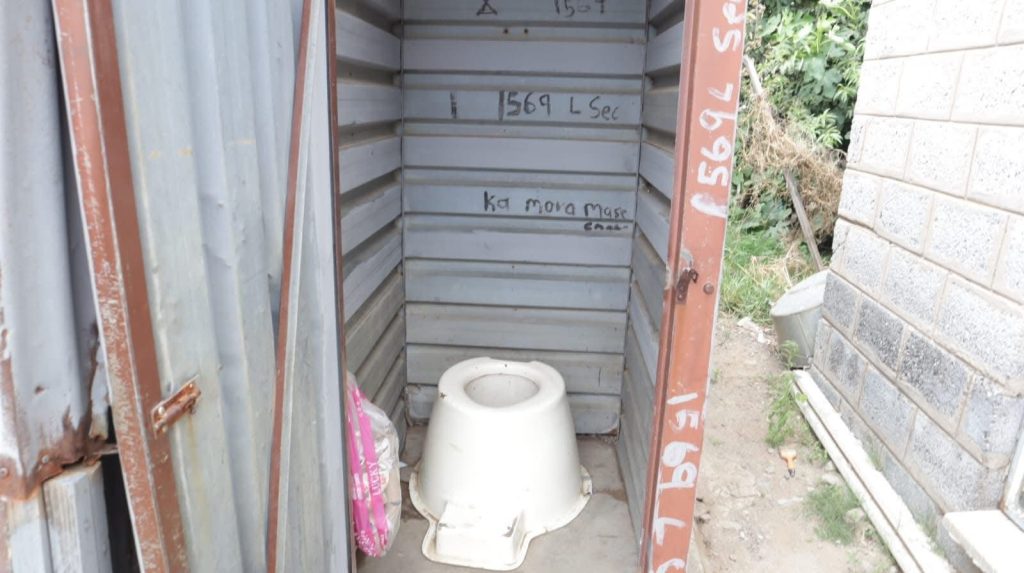
Bloemfontein – More than three decades into democracy, residents of the C-2 section in Botshabelo continue to endure degrading living conditions, with at least 208 families still relying on bucket toilets, according to a 2022 report by the South African Human Rights Commission (SAHRC).
The Commission inspected and interviewed residents in Botshabelo on 12 July 2022, uncovering what it described as ongoing humiliation dating back to 1994.
WATCH: Taps in Kroonstad
According to the report, inspectors visited a household in C-2 where a woman told the Commission she has lived at the address since 1994 with her three children.
She said the family has relied on a bucket sanitation system for decades and that approximately 208 households in the area remain in the same situation.
WATCH: Resident who continues to vote lives in a house full of sewege
“All these years we have been subjected to humiliation,” the resident told the Commission, adding that worms frequently emerge from the buckets, posing serious health risks.
Governance and Service Delivery Failures
The SAHRC findings echo long-standing concerns raised by the Auditor-General of South Africa (AGSA), which has repeatedly flagged the Free State as one of the worst-run provinces in the country.
The Auditor-General has warned that many municipalities in the province have become increasingly unstable, with financial management deteriorating to the point where some are unable to perform even the most basic function.
Across the Free State, sewage spills, unsafe drinking water, and failing sanitation systems have become commonplace. AGSA reported that municipalities spent only 1.9% of their budgets on repairs and maintenance, far below National Treasury’s recommended 8%.
This chronic underinvestment has accelerated the collapse of infrastructure, including water pipelines, electricity networks, and roads.
WATCH: Kimberly residents splash councillor’s house with faeces
Consultants, Corruption and Collapsing Systems
Despite growing dependence on consultants—who cost municipalities over R66 million in the 2023/24 financial year—many financial statements still required major corrections, raising questions about value for money and accountability.
The SAHRC has described these failures as more than administrative shortcomings, warning that they amount to violations of constitutional rights, particularly the rights to dignity, health, and access to basic services.
SAHRC Commissioner Dr Henk Boshoff said the Commission receives around 16,000 complaints annually, with a significant number coming from the Free State.
Investigations revealed systematic neglect, crumbling infrastructure, severe water contamination, and widespread governance collapse. In several municipalities, officials admitted that untreated sewage is being discharged into major rivers, contaminating water sources that serve millions of people.
Boshoff described this practice as a direct violation of constitutional and statutory obligations designed to protect public health and human dignity.
Financial Strain on Utilities
Instead of appointing skilled engineers and financial managers, some municipalities have turned to outsourced water tankers and emergency infrastructure contracts, a system the Commission says has enabled collusion and corruption between officials and politically connected businesses.
In some cases, key posts are deliberately left vacant because crisis conditions benefit certain contractors.
Boshoff also warned that non-payment by municipalities has placed water boards and utilities under severe strain, cautioning that the Vaal Central Water Board could face bankruptcy—an outcome that would have catastrophic consequences for water supply across the region.
In 2024, Free State municipalities scored zero on service delivery, zero as in nil.
Additional reporting: BusinessTech
More Stories
A company with links to Patrick Phuti gets R97 million tender
“Cde Thabo is out of line” – Setai to Motsoeneneng
Women shot dead a few kilometres from Men’s Indaba venue